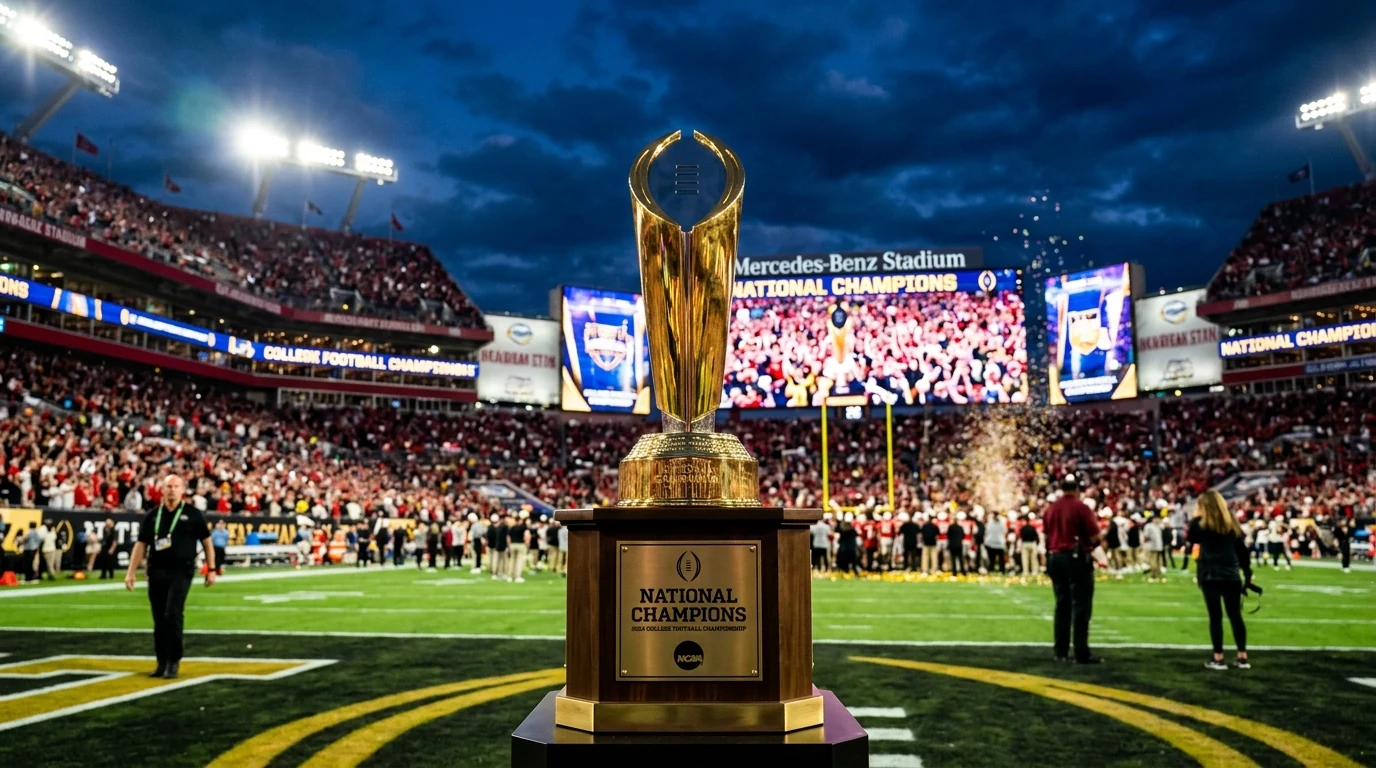
The transition to a 12-team postseason format marks a significant structural change in college football history. By expanding access beyond four teams, the playoff format preserves national championship contention for a broader group of FBS programs deep into November.
CFBBite College Football Bracket Indexing and Seed Analysis
CFBBite tracks weekly committee rankings and projects postseason bracket seeds based on conference standings and strength of schedule indicators. Our bracket index organizes postseason projections into clear, accessible tables.
Conference Champion Automatic Bye Allocations
The four highest-ranked conference champions earn automatic first-round byes, securing quarterfinals placement in classic bowl game locations. This structure highlights the importance of winning conference championship games.
At-Large Bids and Strength of Schedule Evaluations
Teams ranked 5 through 12 secure postseason spots based on overall record, quality non-conference victories, and computer ratings. Quad-1 wins against ranked opponents play a major role in final selection committee decisions.
On-Campus First-Round Matchup Dynamics
First-round playoff games are hosted at the home stadiums of higher-seeded seeds (Teams 5 through 8). Home-field advantages, climate conditions, and campus atmosphere create unique athletic settings.
Historical Bowl Tie-In Integration Metrics
Quarterfinals and semifinal rounds rotate through traditional New Year's Six bowl sites, maintaining historic bowl traditions within the national championship bracket structure.